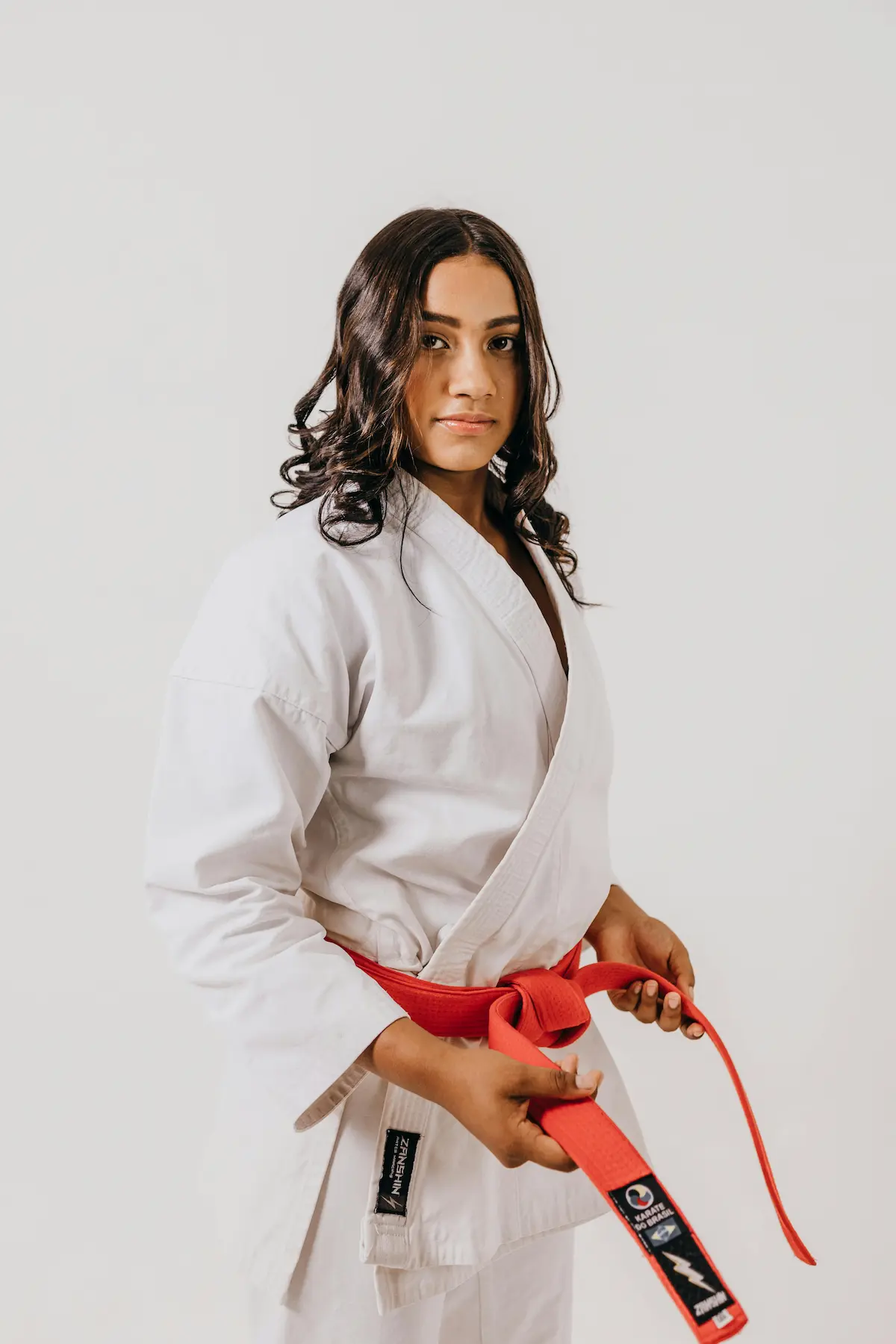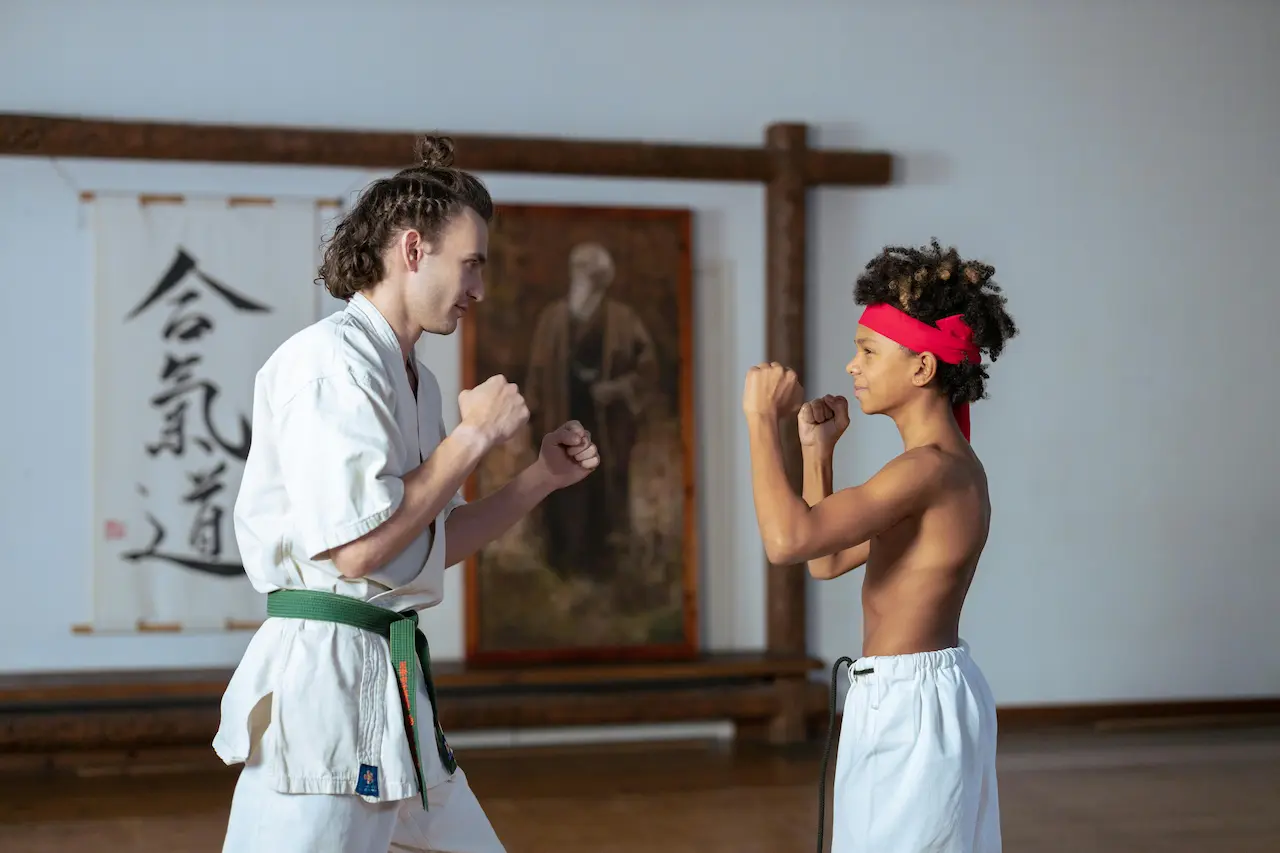
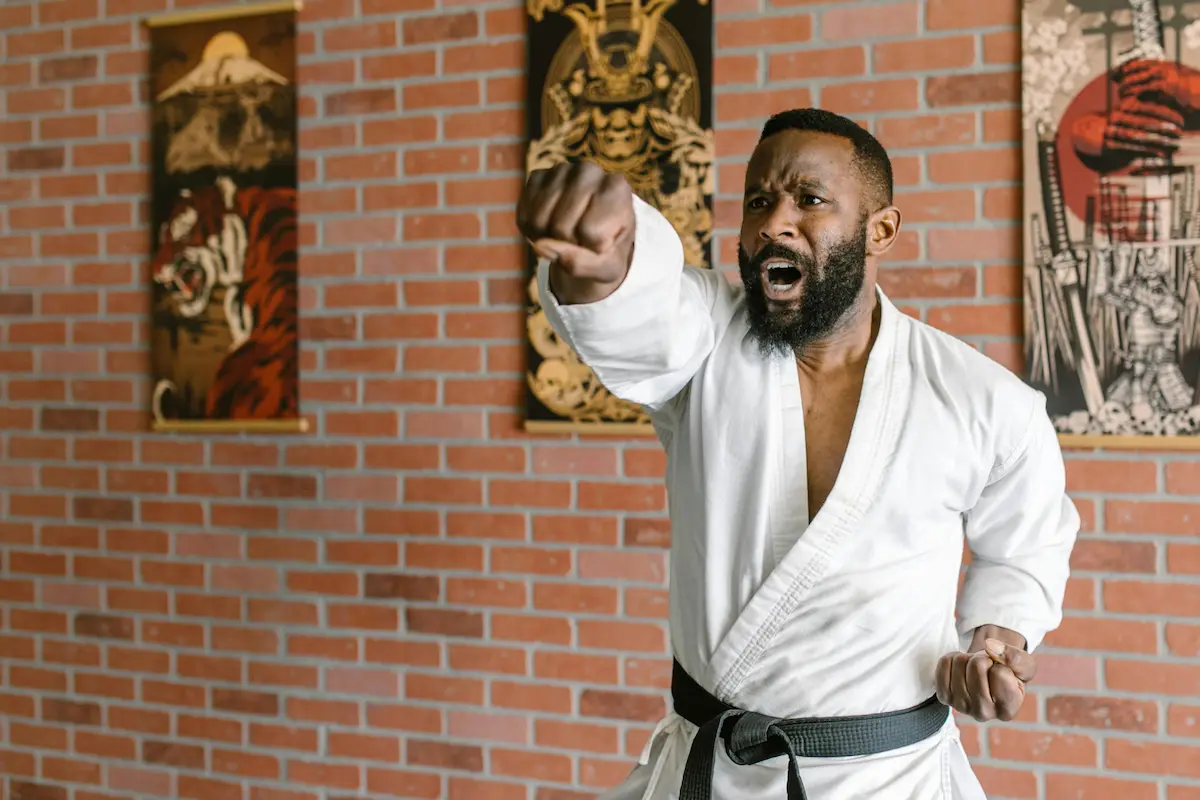

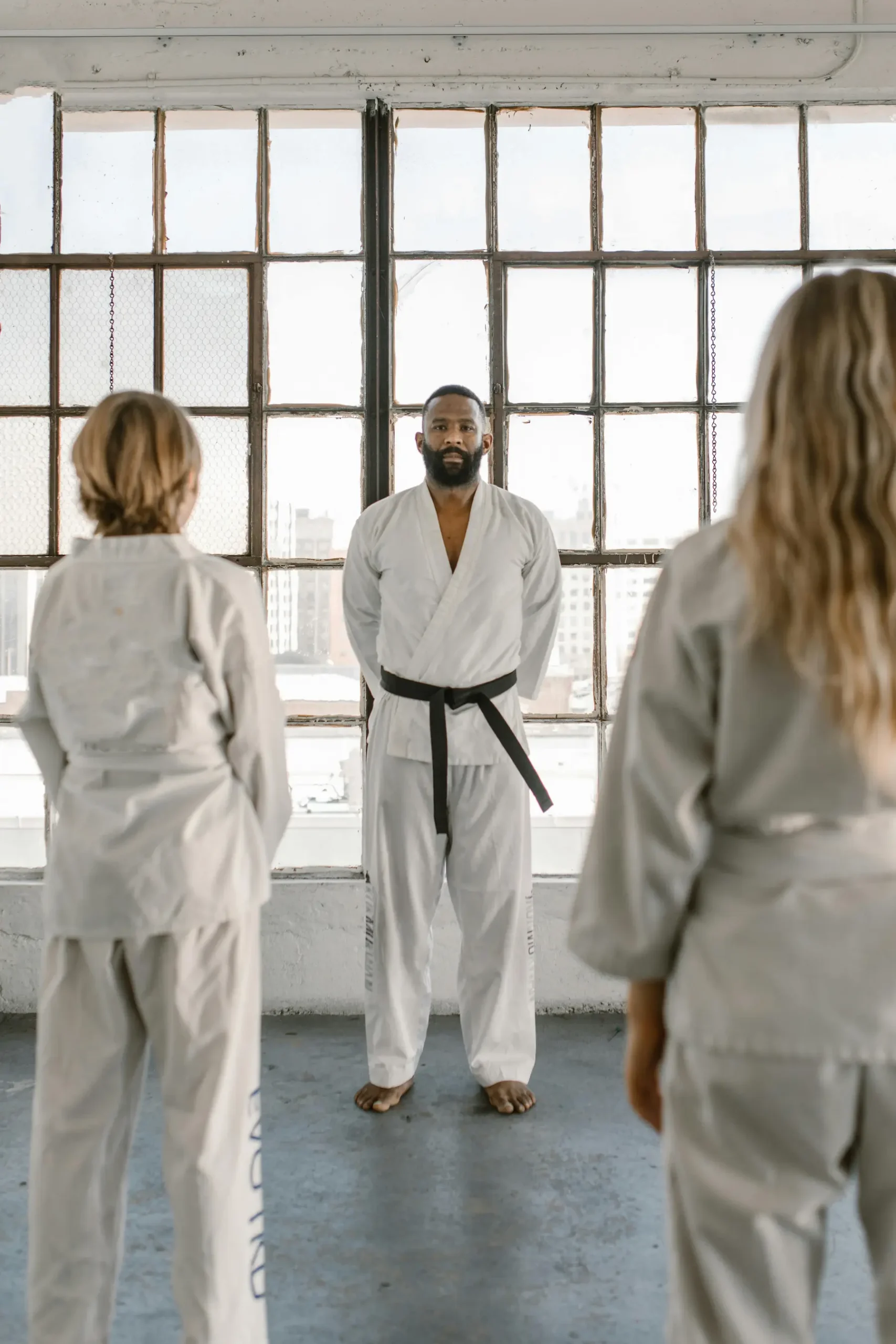
Your first karate class is designed to be a welcoming introduction, not a test of skill. You can expect a gentle warm-up, basic stretching, and an instructor guiding you through simple foundational movements like stances and blocks. There’s no pressure to perform perfectly or remember everything immediately. Instructors understand that everyone starts as a beginner, so the focus is on participation, understanding basic etiquette, and experiencing the dojo environment in a supportive setting. You won’t be expected to spar or demonstrate prior experience, just to listen and try your best.
Why This Update
Most people don’t skip karate because they aren’t interested. They skip it because they don’t know what that first class will actually be like. This update exists to remove the guesswork. It walks through what usually happens in a first karate class, what’s expected, and just as importantly, what’s not. The goal is to make showing up feel manageable instead of intimidating.
Author’s Take
Almost everyone feels a little awkward walking into their first karate class. That’s normal. You’re learning something new, in a new space, with new people. The good news is that first classes are built for beginners. No sparring. No tests. No pressure to perform. You’re there to listen, move a bit, and get comfortable. If you can do that, you’re doing it right.
Understanding Your Nerves: Why First Classes Feel Intimidating
It’s completely normal to feel apprehensive or nervous before trying a new physical activity. Walking into an unfamiliar space where others seem to know what they’re doing can bring up self-consciousness and doubt.
Common fears include being watched, judged, or feeling unprepared compared to others. You might worry about looking clumsy, not understanding instructions, or standing out as the only beginner in the room. These feelings are common among newcomers to any martial art.
The dojo environment is built on mutual respect and support, designed to help overcome initial anxieties. Traditional karate culture emphasizes courtesy, patience, and helping others grow. Everyone, including advanced practitioners, started exactly where you are now and remembers what those first steps felt like.
Your First Class Experience: A Step-by-Step Overview
You’ll likely be greeted by the instructor and introduced to the class. Basic dojo etiquette, like bowing when entering or leaving the training floor, will be explained simply. This isn’t about strict formality but about showing respect for the space and everyone in it.
The class typically begins with a light cardiovascular warm-up and dynamic stretching. This might include jogging in place, arm circles, or leg swings to prepare your body for movement. The warm-up helps prevent injury and helps you ease into movement gradually.
Expect to learn very simple, foundational karate movements, such as basic stances, blocks, or punches, practiced slowly. The instructor will break down each movement into manageable steps, often demonstrating multiple times. You’ll practice these movements repeatedly, which helps your body begin to understand how movements work.
The instructor will demonstrate movements clearly and provide individual corrections in a supportive way. They may adjust your posture or hand position, always in a supportive way. The class will conclude with a cool-down and final bow, often with an opportunity for questions.
What You Are NOT Expected to Do in Your First Class
Beginners are never expected to spar or engage in contact drills on their first day. Sparring requires significant foundational knowledge, control, and safety training that takes time to develop. Your first class focuses entirely on building basic skills in a controlled, safe environment.
You don’t need any athletic background or previous martial arts training. Karate instruction is designed to meet you at your current level, regardless of your starting point. Whether you’ve been active your whole life or haven’t exercised in years, the first class meets you where you are.
There’s no expectation to perfectly recall or perform complex sequences. Focus on listening and trying. Instructors understand that absorbing new information takes time and repetition. Mistakes are not just okay—they’re expected as a natural part of learning.
While karate is physical, instructors adapt to varying fitness levels. Focus on participation, not peak performance. You can take breaks when needed, adjust movements if something doesn’t feel right, and progress at a pace that works for your body.
Navigating Your First Class: Common Beginner Feelings
Many beginners feel a bit clumsy as they learn new body movements. Your brain is building new connections, which takes time. Movements that eventually become fluid and natural will initially feel awkward and disconnected—and that’s okay.
Absorbing new terms, movements, and etiquette can be mentally tiring but quickly gets easier. You might feel overwhelmed trying to remember Japanese terminology, watch the instructor, and coordinate your own body simultaneously. This mental load gets easier quickly with each class.
With each class, familiarity grows, and awkwardness quickly gives way to comfort and progress. What feels really complex in your first class often becomes second nature within weeks. Despite initial challenges, most beginners leave feeling a real sense of accomplishment from having tried something new and challenging.
Kids vs. Adults: Differences in the First Class Experience
Children’s classes often incorporate more games and age-appropriate drills, while adult classes might be more direct in instruction. Kids learn through play-based activities that teach karate principles in engaging ways. Adults typically receive more detailed technical explanations and may move through material at a different pace.
Kids’ classes are often faster-paced with shorter attention spans in mind. Activities change frequently to maintain engagement. Adult classes might go deeper into how techniques work, exploring the “why” behind movements and their practical applications.
Many dojos have policies regarding parent observation of children’s first classes. It’s best to confirm the dojo’s specific approach beforehand to ensure a smooth experience for both you and your child.
Kids’ classes emphasize discipline, respect, and coordination as foundational life skills. Adult classes might focus more on practical self-defense applications, fitness benefits, or stress relief, depending on the school’s philosophy and the students’ goals.
After Class: Your Next Steps on the Karate Journey
The instructor will usually offer a brief chat, answer questions, and discuss available trial periods or membership options. This is your opportunity to ask about class schedules, pricing, equipment needs, and what the progression path for new students looks like for new students.
Many dojos offer a free trial class or a short introductory program to help you decide if it’s a good fit. These trial periods let you experience the teaching style, community atmosphere, and training approach without immediate commitment.
There’s no pressure to sign up immediately. The decision to continue is entirely yours based on your experience. A good dojo will respect your need to think things over and make an informed choice.
Remember that progression in karate is a journey, not a destination, and consistency is key. Every experienced student in class started exactly where you are. Regular attendance and patient practice are what transform beginners into skilled practitioners over time.
Data Inserts
Note: Requested statistics on martial arts participation rates, injury comparisons, and school counts were not available from verified government sources during the fact-checking process for this article.
Example Scenario
Sarah, a 35-year-old who hadn’t exercised regularly in years, felt a knot of anxiety before her first karate class. She imagined a room full of experts, but upon arrival, she was greeted warmly and introduced to other beginners. The class started with simple stretches, and the instructor patiently broke down basic punches, correcting her form gently. By the end, she felt tired but exhilarated, realizing her fears were unfounded and she had genuinely enjoyed the challenge.
Frequently Asked Questions
Do beginners spar in their first karate class?
No, beginners are never expected to spar or engage in contact drills during their first karate class. The initial focus is on learning fundamental movements, etiquette, and safety.
Can parents watch their child’s first karate class?
Many dojos welcome parents to observe their child’s first class from a designated viewing area. It’s best to confirm the dojo’s specific policy beforehand to ensure a smooth experience.
What if I feel completely out of shape for karate?
It’s perfectly fine to start karate regardless of your current fitness level. Instructors are skilled at modifying exercises and movements, allowing you to progress at your own pace without feeling overwhelmed.
What should I wear to my first karate class?
For your first class, comfortable, loose-fitting athletic wear like sweatpants and a t-shirt is ideal. You typically won’t need a gi (karate uniform) until you decide to enroll.
Will I have to memorize complex moves right away?
No, there’s no expectation for beginners to memorize complex moves immediately. The first class introduces basic concepts, and repetition over time is how techniques are learned and ingrained.
Is karate safe for all ages, including older adults?
Karate can be adapted for nearly all ages and physical conditions. Many dojos offer classes specifically designed for different age groups, focusing on safety and appropriate intensity levels.
What if my child freezes up or is shy during their first class?
It’s common for children to be shy or hesitant initially. Good instructors are experienced in encouraging participation with patience and positive reinforcement, often suggesting they just observe until comfortable joining.