
What Jian Says
I spent two years at a school that hit every red flag on this list before I knew better—the junior black belt instructors, the mysterious upgrade fees, the 36-month contract I had to pay a lawyer to escape.
That experience taught me that the best dojo isn’t necessarily the one with the fanciest facility or the most decorated instructor; it’s the one where you feel genuinely welcome, where questions are encouraged, and where your progress matters more than your wallet.
Take your time with this decision. Visit at least three schools, watch a full class at each, and trust your gut when something feels off. The right karate school can genuinely change your life—but the wrong one will just empty your bank account and leave you frustrated.
Quick Answer
To choose a quality karate school, visit and observe a class first—any dojo that refuses should be avoided. Look for adult instructors actively teaching on the mat, clean facilities with proper safety measures, and transparent pricing without pressure to sign long contracts.
Expect monthly tuition between $125-$250 for professional instruction. Red flags include guaranteed black belts in specific timeframes, child instructors running adult classes, mandatory multi-year contracts, or excessive testing fees every few months. Ask about total costs through black belt, sparring rules, and cancellation policies before signing anything. A legitimate school welcomes questions and offers trial classes.
What Makes a Quality Karate School: Green Flags to Look For
Finding a legitimate karate school in 2026 means looking for specific indicators that prioritize student growth over profit. The concept of the “third space” has become a defining characteristic of quality dojos—this refers to a welcoming community environment distinct from home and work where students naturally gather before and after class.
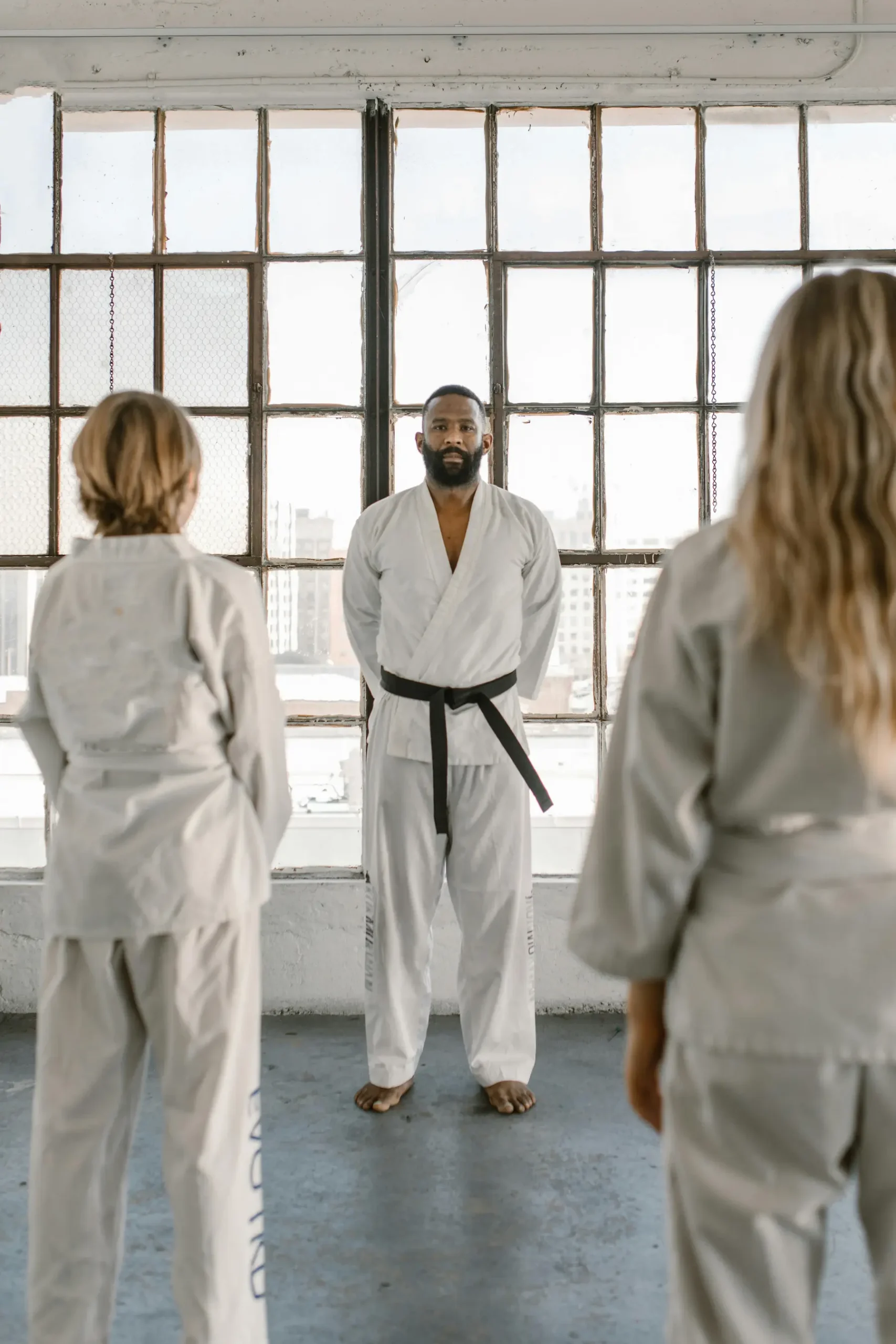
Transparent pricing is non-negotiable. Reputable schools clearly state their monthly tuition, testing fees, and equipment costs upfront. Many offer a free trial class or a short paid trial (such as $39 for two weeks) without pressuring you into signing a long-term contract immediately. Watch how instructors operate. The head instructor should be actively teaching on the mat, not sitting in an office.
They should demonstrate techniques with control and humility, and be willing to spar with students. Safety certifications like Safe Sport and background checks for all instructors have become standard expectations in 2026. A clean facility—especially mats and restrooms—reflects the school’s overall standards.
Red Flags: How to Identify a McDojo
“McDojo” is industry slang for schools that prioritize revenue extraction over quality martial arts instruction. These operations often look professional but employ predatory business practices. The most obvious red flag is a guaranteed black belt timeline. Any school promising a black belt in a specific timeframe (“Black Belt in 2 Years!”) is misleading you. A legitimate black belt signifies mastery of fundamentals, which takes the average student four to six years to achieve. Watch for the “upgrade trap”—pressure to join a “Black Belt Club” or “Masters Club” within your first few months. This typically involves signing a three-year contract to access “advanced” techniques that should already be part of the standard curriculum. Similarly, if classes are frequently taught by unsupervised teenagers (often called “Junior Leaders”) rather than qualified adult instructors, you’re paying professional rates for amateur instruction. Other warning signs include instructors who forbid cross-training at other gyms, excessive belt testing fees costing hundreds of dollars every few months, and any refusal to let prospective students observe a class.
Understanding Pricing and Contract Standards
Current market rates for karate instruction help you gauge whether a school’s pricing is reasonable. Monthly tuition at a private professional dojo typically ranges from $125 to $250 for unlimited classes. Community centers like YMCAs and recreation departments offer budget-friendly alternatives at $50 to $100 per month, though with fewer amenities. Premium competitive schools in major metropolitan areas may charge $250 or more. Standard startup costs include a registration fee ($50 to $100) and a uniform or gi ($40 to $80). These one-time expenses are normal and shouldn’t raise concerns. Contract terms matter significantly. Month-to-month or six-month agreements represent consumer-friendly options that most quality schools offer. Avoid non-cancellable contracts longer than 12 months unless you’re an advanced student who fully understands what you’re committing to. A growing trend in 2026 is “hybrid” memberships that include app access with video curriculum as a value-add. Always get the cancellation policy in writing before signing anything. Life circumstances change, and you need a clear exit strategy.
Choosing the Right Karate Style for Your Goals
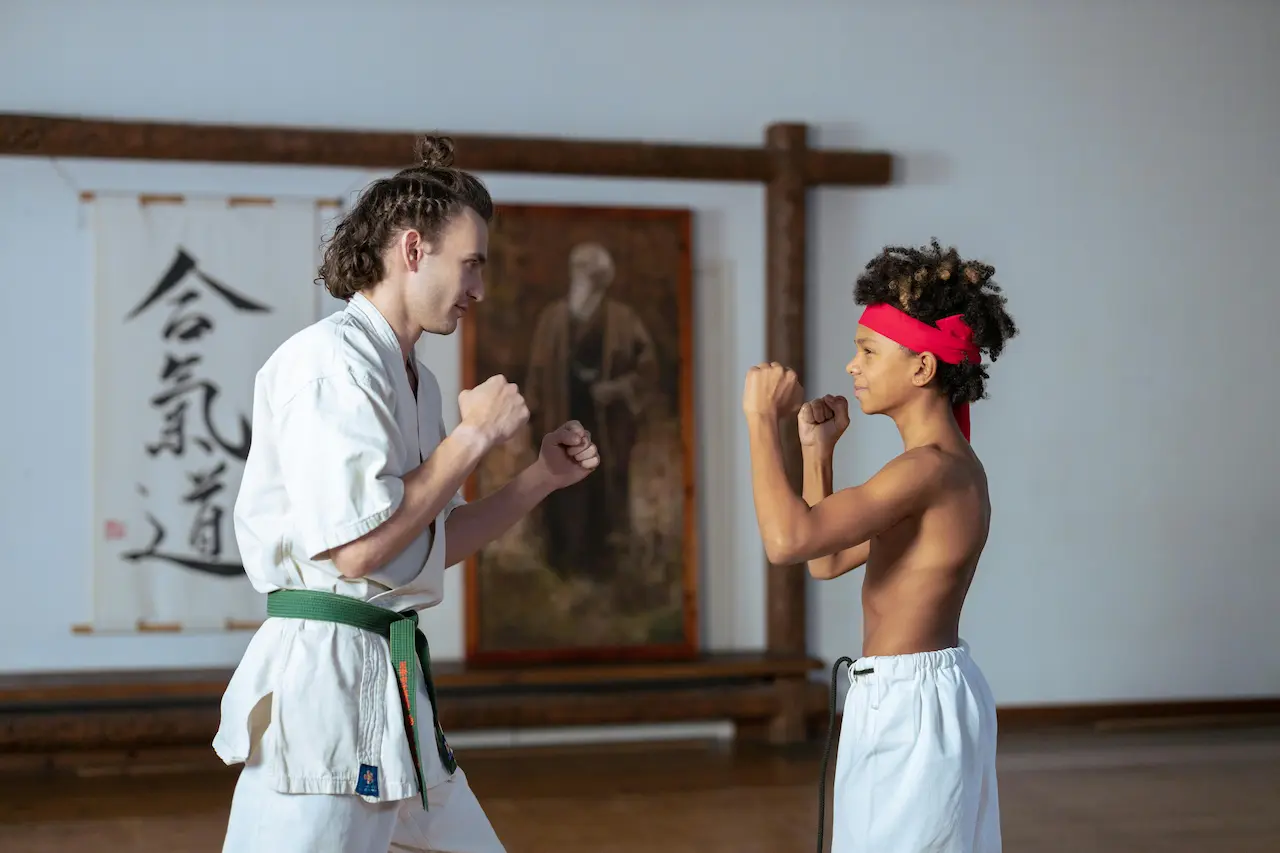
“Karate” is an umbrella term covering several distinct styles, and choosing one that misaligns with your goals is a common reason people quit. Understanding the differences helps you make an informed decision. Shotokan emphasizes deep stances, linear power, and long-range attacks. It’s well-suited for people seeking fitness benefits, structured discipline, and traditional training methods. Kyokushin takes a harder approach with full-contact sparring and body conditioning at close range—ideal for those wanting toughness, practical self-defense skills, and intense physical testing. Goju-Ryu follows a “hard/soft” philosophy using circular blocks and breathing techniques, making it effective for close-quarters self-defense and developing body mechanics. Sport Karate, often called “American Karate,” focuses on point-fighting, speed, and agility. It’s excellent for competition and athleticism but offers less emphasis on real-world self-defense applications. Visit multiple schools teaching different styles before committing. A style that looks appealing online may not feel right when you’re actually training.
Key Differences Between Child and Adult Programs
Quality schools structure their children’s and adult programs differently to match developmental needs. For children, look for “gamified” discipline where instructors use fun drills to teach focus and respect. A “stripe system” rewarding small achievements keeps kids motivated and engaged. Be aware that if you see a seven-year-old with a black belt, it’s a “Junior” rank—not equivalent to an adult black belt. This distinction is important and legitimate schools make it clear. Adult classes should emphasize understanding the “why” behind techniques. Adults need to grasp the mechanics and practical application of movements, not just mimic them. Effective adult programs focus on fitness, stress relief, and real-world application with less tolerance for repetitive drills that don’t serve a clear purpose. The 2026 trend toward holistic training means quality schools increasingly incorporate mobility work, strength training, and mindfulness elements alongside traditional techniques.
Five Essential Questions to Ask Before Joining
Before committing to any school, ask these questions to protect yourself from problematic situations. First: “Who teaches the classes?” Ensure it’s the head instructor or a qualified adult, not primarily teenagers. Second: “What is the full cost of reaching black belt?” This should include testing fees, association dues, and any mandatory seminars—costs that can add up significantly over several years. Third: “Do you spar, and what are the rules?” Light contact sparring is healthy for developing real skills. No contact is suspicious if the school claims to teach self-defense. Full contact requires proper safety gear and protocols. Fourth: “Can I watch a class?” If they refuse, walk away immediately—there’s no legitimate reason to deny this request. Fifth: “What is your cancellation policy?” Get this documented in writing before signing anything. Consumer sentiment in late 2025 and into 2026 shows growing backlash against schools with inflexible contracts, and reputable dojos have responded by offering more transparent, flexible billing arrangements.
Example Scenario
David, age 34, software engineer seeking stress relief and fitness, visits a local karate school advertising ‘Black Belt in 18 Months Guaranteed’ with a required 3-year contract at $199/month plus $350 quarterly testing fees. He notices classes are primarily taught by teenage ‘Junior Leaders’ while the head instructor remains in the office, and when he asks to observe a class first, the sales representative pressures him to sign immediately to lock in a ‘promotional rate.’ The school forbids training at other martial arts facilities and requires membership in their $89/month ‘Masters Club’ to learn any techniques beyond white belt curriculum. David should recognize these as classic McDojo red flags and instead seek a school with transparent month-to-month pricing around $125-250, adult professional instructors actively teaching on the mat, and willingness to let prospective students observe classes freely.
Tables
2025-2026 Karate School Pricing and Contract Standards (Based on Industry Market Data)
| Category | Standard Range | Notes |
|---|---|---|
| Monthly Tuition (Private Dojo) | $125 – $250/month | Unlimited classes at professional schools |
| Budget Option (Community Centers) | $50 – $100/month | YMCA, recreation centers; fewer amenities |
| Premium Option (Major Metros) | $250+/month | High-end competitive schools |
| Registration/Start-up Fees | $50 – $100 | One-time enrollment cost |
| Uniform/Gi Cost | $40 – $80 | Standard required equipment |
| Consumer-Friendly Contract Length | Month-to-month or 6 months | Avoid non-cancellable contracts over 12 months |
| Average Time to Black Belt | 4 – 6 years | Schools promising faster timelines are considered red flags |
Karate Style Comparison Guide (2024-2026 Practitioner Reports)
| Style | Primary Focus | Best Suited For |
|---|---|---|
| Shotokan | Deep stances, linear power, long-range attacks | Fitness, discipline, and traditional structure |
| Kyokushin | Full-contact sparring, body conditioning, close range | Toughness, self-defense, and high-intensity testing |
| Goju-Ryu | Hard/Soft style, circular blocks, breathing techniques | Close-quarters self-defense and body mechanics |
| Sport Karate | Point-fighting, speed, agility (often American Karate) | Competition, athleticism, and reflexes; less self-defense focus |
Quality Indicators for Karate Schools: Green Flags vs. Red Flags (2025-2026 Consumer Safety Standards)
| Indicator Type | Green Flag (Quality School) | Red Flag (McDojo Warning) |
|---|---|---|
| Pricing Transparency | Upfront costs; free or low-cost trials ($39/2 weeks); no pressure | Hidden fees; expensive belt testing every few months |
| Black Belt Timeline | 4-6 year average; no guarantees | Guaranteed black belt in 2 years or specific timeframe |
| Instructor Quality | Active adult instructors on mat; humble; background-checked | Classes taught by unsupervised minors (Junior Leaders) |
| Contracts | Month-to-month or 6-month agreements | 3+ year non-cancellable contracts; Black Belt Club upgrades |
| Sparring Policy | Gradual introduction; controlled; appropriate safety gear | No sparring (suspicious for self-defense) or excessive violence |
| Cross-Training Policy | Encourages learning other styles and gyms | Forbids training elsewhere; cult-like exclusivity |
| Safety Certification | Safe Sport certification; background checks for all instructors | No verifiable safety standards or certifications |
| Class Observation | Welcomes visitors to watch classes | Refuses to allow class observation |